Daily Wrap
Oil spike, higher yields send stocks lower
Crude oil's surge toward $100 a barrel and a jump in the 10-year yield spooked risk appetite, with the Nasdaq and small caps taking the hardest hits.
Stocks closed broadly lower on Wednesday as a sharp rise in oil prices, a jump in long-dated Treasury yields, and escalating geopolitical and trade tension combined to sour risk appetite. The S&P 500 fell 0.48% to 7,636.36, the Dow dropped 0.77% to 52,380.66, and the Nasdaq lost 0.64% to close at 26,253.34.
What moved
| Asset | Change | Note |
|---|---|---|
| Russell 2000 | -1.30% | Worst performer; small caps most exposed to rates |
| Crude oil (Oct. futures) | +3.93% to $96.69 | Approaching the $100/barrel threshold |
| VIX | +4.58% to 16.44 | Hedging demand picked up |
| 10-year Treasury yield | +6 bps to 4.85% | Rose despite a larger Treasury buyback operation |
The number behind it
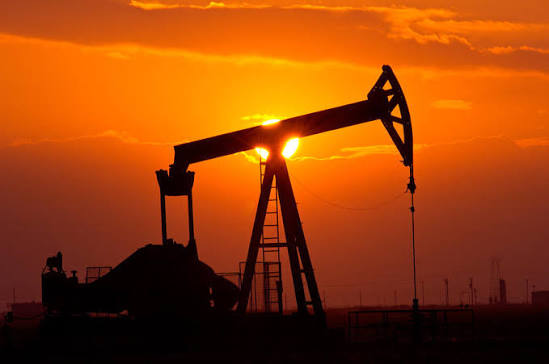
$96.69 — the closing price of October crude oil futures, up nearly 4% on the day and closing in on the psychologically important $100-a-barrel mark. Rising tension around Iran and the Strait of Hormuz, a key transit route for global oil and gas, drove the move, with a senior Iranian official warning Tehran was prepared to escalate if U.S. strikes on its territory continue. U.S. gasoline prices hit $4.22 a gallon, the highest ever recorded for this point in September, and diesel reached $5.94 nationally — a combination that threatens to push inflation higher just as the Fed weighs its next move.
What to watch
Oil and yields are now the two levers most likely to decide the market's next move. A further leg higher in crude — especially any sign of actual supply disruption through the Strait of Hormuz — would intensify inflation worries and pressure the Fed to hold rates higher for longer. On the trade front, Canada's retaliatory tariffs on roughly 700 U.S. products took effect this week, and the White House has floated bans on Canadian dairy, alcohol, and motorcycles starting September 29 — a dispute investors are watching for signs it spreads to supply-chain-exposed sectors like autos and industrials.